Monday, April 29, 2013

Is there such thing as Super Foods?


One of the most frequent questions is “what is the most nutritious food that I can eat?”, or “what one food will make me feel better?”  We read and hear so much about "miracle foods".  There are lists of the "Top 10 Miracle Foods". And Dr. Oz always tells his audience about the latest miracle food.  Whether it is pomegranates, raspberry ketones, acai berry, or moringa, everyone wants something, anything, that will make them healthier.  And if you can put it in a capsule, that would be even better!  A magic pill, Yes!! I will take one.  But this doesn't exist because if it did, we would all be healthy. Of note, the journal of Nutrition and Cancer recently published an article, "Reality check: There is no such thing as a Miracle Food" discussing Dr. Oz effect of miracle foods. 

So what do I tell people when they ask me these questions. First, I tell them there are no miracle foods and they should not waste their money on expensive supplements. Instead eat plenty of fruits and vegetables of many different colors. Each color has a different set of antioxidants. Red fruits and vegetables contain nutrients such as lycopene, ellagic acid, quercetin, and hesperidin, to name a few. These nutrients reduce the risk of prostate cancer, lower blood pressure reduce tumor growth and LDL cholesterol levels, scavenge harmful free-radicals, and support join tissue in arthritis cases.  Orange and yellow contain betacarotene, zeaxanthin, flavonoids, lycopene, potassium, and vitamin C. These nutrients reduce age-related macular degeneration and the risk of prostate cancer, lower LDL cholesterol and blood pressure, promote collagen formation and healthy joints, fight harmful free radicals, encourage alkaline balance, and work with magnesium and calcium to build healthy bones. Green vegetables contain chlorophyll, fiber, lutein, zeaxanthin, calcium, folate, vitamin C, calcium, and Beta-carotene. The nutrients found in these vegetables reduce cancer risks, lower blood pressure and LDL cholesterol levels, normalize digestion time, support retinal health and vision, fight harmful free-radicals, and boost immune system activity.  Blue and purple contain nutrients which include lutein, zeaxanthin, resveratrol, vitamin C, fiber, flavonoids, ellagic acid, and quercetin. Similar to the previous nutrients, these nutrients support retinal health, lower LDL cholesterol, boost immune system activity, support healthy digestion, improve calcium and other mineral absorption, fight inflammation, reduce tumor growth, act as an anticarcinogens in the digestive tract, and limit the activity of cancer cells. White contain nutrients such as beta-glucans, EGCG, SDG, and lignans that provide powerful immune boosting activity. These nutrients also activate natural killer B and T cells, reduce the risk of colon, breast, and prostate cancers, and balance hormone levels, reducing the risk of hormone-related cancers.

But this information is not enough for most people. They want to hear me name some foods.  Ok, ok... I will come up with some foods that are loaded with antioxidants, fiber, and protein that you can find at your local supermarket.  These are some high quality foods to include in a healthy, well balanced eating plan:
1.     Amaranth
2.     Beans
3.     Beets
4.     Blueberries
5.     Broccoli
6.     Chia seeds
7.     Garlic
8.     Green Tea
9.     Kefir
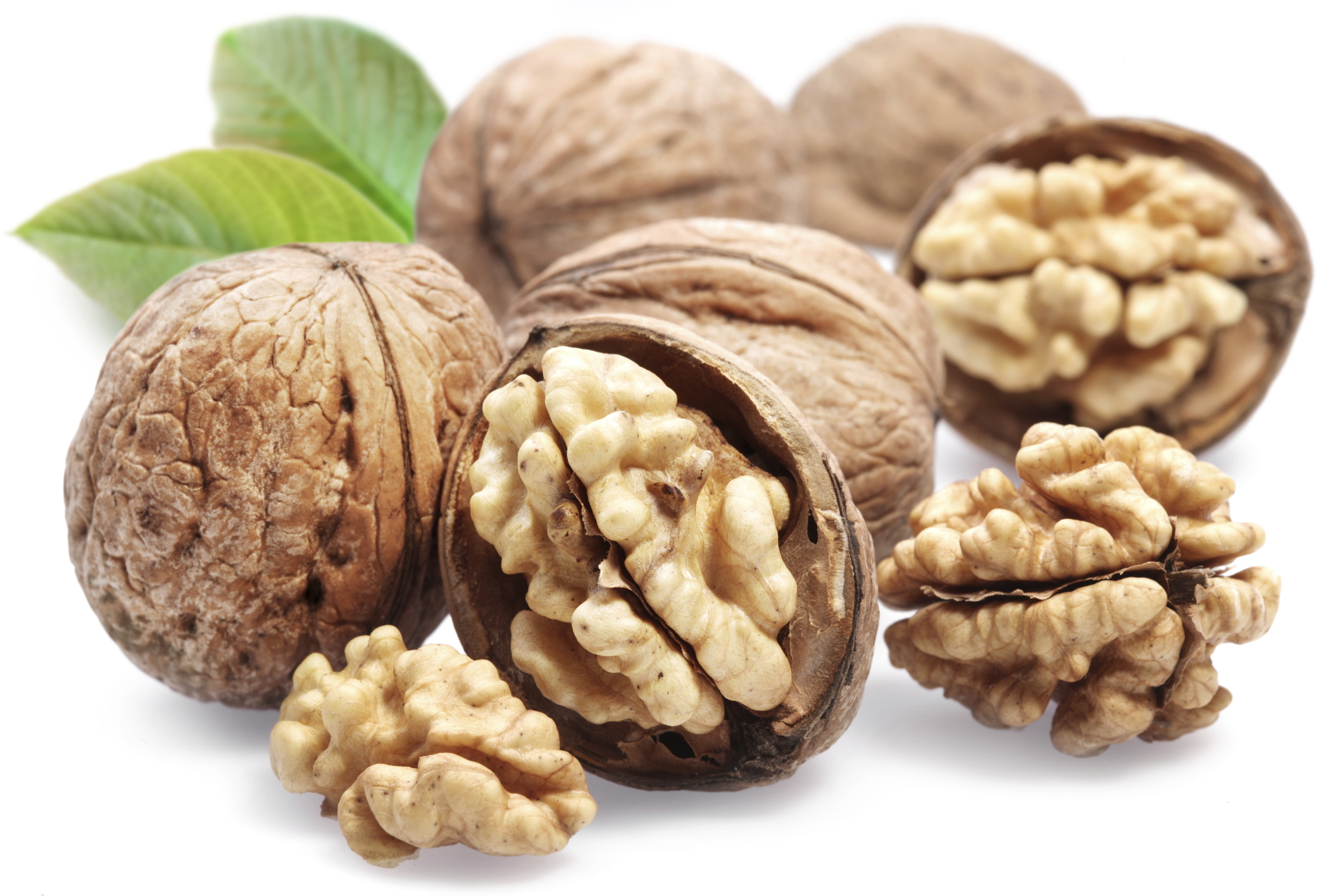
10.  Walnuts


Amaranth - You thought quinoa was the best grain. Think again. Amaranth is a gluten free grain that is higher in protein than quinoa.  Amaranth appears to lower cholesterol via its content of plant stanols and squalene. And it is fast and easy to prepare.


Beans - Why?  It is true that beans are good for your heart. They are high in fiber, high in protein, low in fat and calories, high in B vitamins, magnesium, phosphorus and iron, inexpensive.  When you increase your fiber intake, increase your water intake to reduce the side effects of eating beans. Or take Beano. 

 
Beets - Beets are high in folate, mangenese, vitamin C, potassium and fiber.  They contain a variety of antioxidants.  Betanin and vulgaxanthin are the two best-studied betalains from beets, and both have been shown to provide antioxidant, anti-inflammatory, and detoxification support. Beet greens are high in lutein and zeaxanthin.  Yellow beets are very high in lutein. Lutein and zeaxanthin are important for eye health.

 
Blueberries – These berries are high in the antioxidant anthocyanins and other antioxidants including resveratrol. They are low glycemic index, high in magnesium, vitamin K, vitamin C and fiber, and low in calories.  They are another heart healthy food that is an immune booster.

 
Broccoli - Want to detox naturally?  Eat broccoli. Broccoli contains the phytonutrients glucoraphanin, gluconasturtiian, and glucobrassicin which support all steps in body's detox process, including activation, neutralization, and elimination of unwanted contaminants. Isothiocyanates are the detox-regulating molecules made from broccoli's glucosinolates, and they help control the detox process at a genetic level. Broccoli is also high in fiber, vitamin C, vitamin K, folate and antioxidants. It is an anti-inflammatory food due to the flavoinoid kaempferol.

 
Chia seeds - Chia seeds are whole grains that have a very high content of fiber.  Even though the seeds are small and don’t appear to be nutrient dense, they are packed with protein, potassium, dietary fiber and omega-3 fatty acids.  Chia seeds are replacing flax seeds due to their higher omega 3 fatty acid content and fiber content.


Garlic - Garlic contains flavonoids and sulfur-containing nutrients.  Garlic may help improve iron metabolism - the diallyl sulfides in garlic help increase production of a protein called ferroportin. Garlic's sulfides can help dilate our blood vessels and help keep our blood pressure under control. Garlic also contains powerful antioxidants and anti-inflammatories. 


Green Tea - Green tea is one of the least processed teas and thus provides the most antioxidant polyphenols, notably a catechin called epigallocatechin-3-gallate , which is believed to be responsible for most of the health benefits linked to green tea. Green tea drinkers appear to have lower risk for a wide range of diseases, from simple bacterial or viral infections to chronic degenerative conditions including cardiovascular disease, cancer, stroke, periodontal disease, and osteoporosis. Green tea contains three major components that promote fat loss: catechins, caffeine and theanine. Green tea may also increase exercise endurance, but you might need to drink 4 cups in order to get this benefit.  


Kefir -Kefir is a fermented milk drink that is practically lactose free. It is very high in probiotics which support gut health. Kefir contains certain healthy bacteria that is not available in yogurt, including Lactobacillus Caucasus, Leuconostoc, Acetobacter species, Streptococcus species, Saccharomyces kefir and Torula kefir.  It is a good source of vitamin A, D and calcium.


Walnuts - Did you know that approximately 90% of the phenols in walnuts are found in the walnut skin, including key phenolic acids, tannins, and flavonoids? They are also high in vitamin E and omega 3 fatty acids which are heart protective.  Phytonutrient research on the antioxidant and anti-inflammatory benefits of walnuts has moved this food further and further up the ladder of foods that are protective against metabolic syndrome, cardiovascular problems, and type 2 diabetes.


Wednesday, March 06, 2013

Kids in the Kitchen

Do you want your child to try new foods?  One way is to get them involved in cooking.  This includes toddlers to teens.
.
  • Toddlers: allow them to wash the food and mix ingredients.
  • School-aged children: teach them how to follow a recipe and measure ingredients while learning math skills.
  • Teenagers: Have your teen be responsible for making a dish of their choice.

Encourage your child to taste their creation. They don't need to love it or finish it, but any bit of positive reinforcement will make them a happier cook and gourmand.

Here is a link to a Rachael Ray show of little chefs. Your child could be one of them :)

http://www.rachaelrayshow.com/show/segments/view/little-rachs/

Monday, March 04, 2013

Fuel for your half marathon and beyond

It is half marathon season, leading up to marathon season.  Not only do you need to train sufficiently to run the distance, but you also have to fuel your body properly.  Think of your body as an automobile – you want it fuel it with the best so you can get optimum performance.  Fill your body with high performing fuel and you will run like a fine tuned Porsche.  Here are my tips for running a successful half marathon and beyond:

1.      Practice, Practice, Practice: Not only do you need to prepare your legs for running, and weight train to strengthen your muscles, you need to practice your fueling routines.   On your next long run, simulate race day.  Wake up at the same time as you will need to for the start of your race, have breakfast, have snacks, and start your run at the same time as the race.  Bring along fuel and fluids that you will need to sustain your running for the allotted distance.  Write down what you ate and drank and how it made you feel.  Make adjustments and practice your fueling plan again at your next training run.

2.      One week before the race:  You are tapering your running, so you will be burning fewer calories and carbohydrates. That doesn’t mean eat less carbs.  No, your body is going to need those carbs for the race.  Do not change your eating habits (unless you are improving them!).

3.      Carbo Loading:  There are two choices which I call the Basic Method versus the Scientific Method.  The Basic Method doesn’t involve any math.  Just keep eating what you are eating. Do not cut back on carbs.  Your body will naturally store the carbs since you are using fewer this week.  The Scientific Method requires simple math.  Consume 8-12 g/kg (3.6-5.4 g/lb) of body weight per day of carbs for 3-4 days prior to the race. Either way, you may gain weight. Don’t worry because it is water weight. You will lose all this weight on race day.

4.      The night before the race.  Eat a carbohydrate rich, low fat, low fiber meal at home.  I don’t recommend going out to eat unless it is a place you trust and can have something that is low in fat and fiber.  You want to make sure you don’t wake up with stomach issues.  Food poisoning the night before a race is not fun.  Don’t eat too late at night because it may make it more difficult to fall asleep.  Don’t have anything with caffeine after 2pm the day before your race because it will make it more difficult to fall asleep.  Alcohol also makes sleeping more difficult.  And no scary movies.

5.      Race morning breakfast: Now it is time to eat your tested breakfast.  This will be a low fiber, low fat breakfast.  The amount of carbs you need is based on how long before the start of the race.  The rule is 1 gram per kilogram body weight for every hour before the race start.

6.      Fifteen minutes before the start: Drink 7-10 ounces of fluid and consume 15-25 grams of carbs.

7.      Hydration:  Drink up but not too much. The amount you drink should also be tested before the race. A general rule is to drink 5-10 ounces every 15-20 minutes.  Find out how often there are fluid stations along the race course and if there are other drinks besides fluid.  Don’t drink anything you haven’t pretested.  Note: The cups hold approximately 5 ounces. 

8.      Fueling during the race:  Approximately 30-60 g of carbohydrates per hour are necessary for maintenance of blood glucose levels while doing endurance events.  Specifically, consume 0.7 grams carbs per kilogram body weight.  This can be in the form of Gu, gels, bars, dried fruit, honey, Gatorade or other carbohydrate replacement drink.

9.      Water versus the race course carbo drink versus BYOF (bring your own fluid):  Unless you have raced with the race course carbo drink in the past, don’t start trying it out at the race.  It is important to note that carbohydrate replacement drinks contain necessary carbs and electrolytes.  If you drink a carbohydrate replacement drink, you may need fewer sources of carbs during your race.

10.   Congratulations!!!!  You finished!!!!

11.   Immediately after your race: A carbohydrate intake of 1.0 to 1.5 g/kg (0.5 to 0.7 g/lb) of body weight during the first 30 minutes post-exercise and again every 2 hours for 4-6 hours to replace glycogen stores.  Sports drinks are an easy way to rehydrate, replenish electrolytes (sodium and potassium) and get the necessary carbohydrates within 30 minutes of exercising.  Shortly after completion of exercise, 10-20 g of protein should be consumed to aid in muscle repair. 

12.   One week after the race: If you don’t plan on continuing to keep up the miles running, make sure you cut back on your calories unless you want to gain weight.  And keep on fueling your body for mental and physical success.
Now it is off to the races!

Thursday, February 21, 2013

My favorite recovery drink: Chocolate Milk


During my last run, I was asked “Is it true that chocolate milk is a good recovery drink?”  The answer is “yes”. This has been backed up by a variety of scientific studies, the most recent in Medicine and Science in Sports and Exercise, Oct. 15, 2012, “Chocolate Milk...Post  Exercise Recovery”. This is a review article that found low-fat chocolate milk, which consists of a 4:1 carbohydrate:protein ratio, provides fluids and sodium to aid in post-workout recovery. Consuming chocolate milk immediately after exercise and again at 2 hours post-exercise appears to be optimal for exercise recovery and may attenuate indices of muscle damage.


One of my favorite studies that I like to cite was in the February 2006 issue of the International Journal of Sports Nutrition and Exercise Metabolism.  In three trials administered at one-week intervals, nine male endurance trained cyclists performed an interval workout then drank one of three drinks after 2 hours of recovery. One group got standard 2% chocolate milk, another drank fluid- and electrolyte-replenishing Gatorade and a third group Endurox R4, a specially formulated beverage with a "patented 4 to 1 ratio of carbohydrates to protein" and other ingredients aimed at replenishing muscle glycogen stores and helping rebuild muscle.  Four hours later they performed an endurance trial to exhaustion at 70% VO2max.  The study reported that the cyclists who drank chocolate milk were able to continue cycling about 50% longer than those who drank Endurox R4 and about equally as long as those who drank Gatorade.


There is a common factor in all the chocolate milk recovery studies – they are done on male cyclists, although there is one study on collegiate soccer players.  So what does that mean to us?  If you are a male endurance trained cyclist, chances are that chocolate milk is a good recovery drink.  What if you are a female runner?  There are no studies that prove the same benefits, but it will probably be a good choice after a bout of exercise.   I recommend chocolate milk to all my athletes as a recovery drink.  Why?  It contains carbohydrates that are needed to refuel the muscles.  It contains protein that provides amino acids for building and repairing of muscle tissues.  Also, a little protein might give an athlete a performance edge by enhancing the insulin release, which aids in the transport of carbohydrates to the muscles.  It contains calcium, a nutrient that most adults don’t get enough of.  It is easy to make and less expensive than commercial drinks.  And it tastes good!

 
But what if you don’t consume dairy? Cow’s milk contains 12-13 grams carbs and 8 grams of protein for one cup while soy milk contains 5-15 grams of carbs and 6 to 8 grams of protein.  If you drink soy milk, select one that is close to 12-13 grams of carbs and 8 grams of protein.  Make sure you purchase soy milk with added calcium and vitamin D. Almond milk contains 8 grams of carbs and one gram of protein.  Almond milk does not have sufficient protein or carbs to make a recovery chocolate milk. That doesn’t mean you shouldn’t drink it; it just means you need to supplement it with additional carbs and protein for recovery sake.  

Eat well to run strong!

Wednesday, February 20, 2013

My new website

I finally enhanced and updated my website. Hurrah!  Check it out: www.reynafranco.com

You will learn more about me, my practice and my philosphy. There is also a page of links to some of my favorite nutrition and exercise websites.

I am also open to suggestions on how to improve my website.  Please send me an email or a constructive comment.  Thanks!

 Now for today's tip:  Every 10 minutes, get up from your chair and move for one minute without stopping. You can even multi-task and move at the same time.  Take your phone calls standing up and marching in place. If you work at your desk for 8 hours and do this repeatedly, then you will have added 48 minutes of activity to your day. Time to get up!!

Monday, February 04, 2013

It's cold. Get outside!

Just because the temperature is below freezing doesn't mean you have to stay indoors, surf the net and watch TV all day.  Surfing the net is not exercise.  You got to get outdoors and move your body.  No excuses.  Let me help you become a winter weather lover.


  1. Dress appropriately:  That means wear layers.  Start with a base layer that is NOT cotton.  Why? Because cotton absorbs your sweat and retains the moisture.  That means the shirt stays wet and you remain cold.  Instead, where synthetic materials that wick the moisture away from your body.  Depending upon the activity and temperature, adjust the next 2 layers.  If you are doing a sport which raises your heart rate significantly (running, cross country skiing, hiking), you will want a lighter weight layer. If you are doing a sport that has a great amount of wind chill such as downhill skiing or bicycle, the second layer will be thicker. The final layer should be a breathable shell. As mom always said, "Don't forget your hat and gloves."  When it is very cold, I like to wear a balaclava (not baklava).  Not only does it cover the top of my head but also the sides and chin. I can even pull it over my mouth when necessary.  My hands have a tendency to get very cold, so I will wear mittens or lobster mitts with polypropylene liners.  Lobster mitts are great for cycling because they keep two fingers together which allows you to break and shift easily.  Even though it is winter, wear sunglasses to protect your eyes from the UV rays and debris. And don't forget proper footwear including wool socks.  If you are hiking, good water-resistant boots are necessary. If you are cycling, neoprene booties to cover your bike shoes are very helpful.  If it is very cold, you can insert charcoal hand or foot warmers into your shoes or gloves.  I often use those while skiing and cycling.

  2. Pick an activity you enjoy:  It is not fun to be in the cold when you are not enjoying yourself. It actually feels colder because you end up focusing on the negative aspects of the activity. Instead find an activity that you enjoy and you will forget how cold it is. You will be focusing on the positive aspects of the sport and enjoying the thrill that it creates.  When it is frigid outside, I enjoy cross-country sking, hiking and ice climbing. Yes, it may be single digits outside but the heat that my generates and the enjoyment of being outside outways the cold.

  3. Get outdoors with a friend:  Meeting up with a friend will motivate you to get outdoors and stay outdoors.  Having a conversation while exercising or just someone to share the experience with can make the difference in having an enjoyable day versus a drag.

  4. Join a group: There are so many Meetup groups that you are bound to find one that fits your preferences.  There are hiking, running, skiing meetup groups. This is also a great way to make new friends with common interests.

  5. Eat, drink and be merry: This is my favorite subject.  Just because it is cold doesn't mean you don't have to drink (and I mean water, not beer).  If you are exercising outdoors, carry a bottle of water.  The best way to determine how much you need to drink is to do the sweat test.  This should be done at different times during the year because your sweat rate will vary depending upon the outdoor conditions.  This is how you do the sweat test. First, go to the bathroom, then weight yourself naked. Do your exercise for one hour.  If you drink fluids along the way, keep track of the quantity.  When you’re done, strip again, dry, and weigh yourself factoring in the water your consumed. The difference is the weight, in water, you lost. Water weighs just over one dry ounce for every liquid ounce (1.04 to be exact). To make it easy just use a 1 to 1 ratio. So for every pound you lose, you need to drink 16 ounces of fluids. Now for eating. The rules are similar as they are for summer sports. If you are exercising for one hour, you don't need any carbohydrates during you activity. If you are exercising for more than one hour, particularly more than ninety minutes, you will want some fuel.  This can be in the form of fluids or food.  The calories will help endurance and body temperature. 

Now what are you waiting for? Get outside!!!


Thursday, January 10, 2013


Making and keeping your New Year resolutions

The holiday feasts are over and a new year has begun.  Many of you have probably made resolutions to improve your health.  This may include losing weight, eating healthfully, and exercising regularly.  It is easy to say that you will make all those changes.  But how do you keep your resolutions without getting frustrated by February?  Below are some tips to successful wellness:

1.     Create measurable goals.

That means attaching time, numbers and amounts to your goals.  Goals that are not measurable are too vague, difficult to achieve and usually forgotten.  Here are some examples:

§  Immeasurable Goal: Exercise more
§  Measurable goal:  Exercise 4 times a week, Monday, Wednesday, Friday, and Saturday at 7:00 am for one hour.

§  Immeasurable Goal:  Eat more fruit
§  Measurable goal:  Have 4 fruits each day – 1 at breakfast, 1 at lunch, 1 at mid-afternoon snack and 1 for dessert.

2.     Make your goals reasonable and achievable.

If you make unrealistic goals, you are setting yourself up for failure.  When you can meet your goals, you feel motivated.  This also incorporates creating measurable goals.  For example,

§  Unrealistic goal:  I will stop eating “bad” food.
§  Realistic goal:  I will avoid foods with added sugar by reading the food label from Monday to Saturday, but I will have a special treat on Sunday. 

3.     Schedule your exercise goals

Make your exercise goals part of your life in the same manner you schedule meetings, appointments and dates.  If your goal is to exercise 4 times a week, make time for your work-out in advance.  Put it on your Blackberry, iPhone, or whatever calendar you use frequently.  Do not cancel your exercise appointments with yourself. 

4.     Get friends and family involved.

It is highly motivating when you eat healthfully and exercise with friends and family.  This is great for both social and wellness goals.  Here are some examples:

§  Cook healthy meals for your friends and family.  Show them how tasty a balanced eating plan can be. 

§  Start a healthy eating dinner club where once a week you rotate between homes and the host prepares a special meal.  Or guests bring a dish from an assigned food group that is incorporated into a healthy meal.

§  Exercise with friends and family.  After dinner, go for a long, brisk walk or bike ride together.  Schedule weekend games of Frisbee, softball, basketball, tennis or soccer.  Go to exercise classes with workmates regularly.

5.     Create a contract with yourself.

Your goals are not real until you write it down.  As stated above, make sure the goals are measurable.  Write down all details including amounts, dates and times.  And don’t forget to sign the contract and have it witnessed by a close friend or family member.  Lastly, post your contract so that you can see it daily.

6.     Stay motivated

There may be times when life gets in the way of achieving your goal.  That doesn’t mean that you have to throw away the contract.  If you go off-course, take a good look at your goal.  Is it realistic and achievable?  What are your roadblocks?  Do you need to revise it?  After reviewing and possibly changing your goal, create a new contract and get back on the road to wellness.
 
I wish everyone a happy and healthy new year!
 
Reyna

Friday, January 27, 2012

Feed Your Head – Brain Food for Athletes

We are always running around. Running to work, running to appointments, running to races. We know how to fuel our body to keep it going, but how do you fuel your brain to stay alert and sharp? Good nutrition is important for brain health and diet plays an important role in intelligence, brain function and development. When studying different nutrients, scientific research has shown that there are specific nutrients and vitamins that can enhance brain function, increase memory and improve intelligence. Read on if you don’t want to forget your next race:

1. Omega 3 fatty acids: Docosahexaenoic acid (DHA)

Essential fatty acids top the list of important nutrients for brain development and function. One of the essential dietary nutrients, omega-3 fatty acids, plays an important role in the production of DHA. DHA is essential for healthy brain development. New research shows they may even build the brain's gray matter. In one study, healthy adults who ate the most omega-3 fatty acids had the most gray matter in three brain areas that regulate mood. How do omega-3 fatty acids help the brain? Scientists are still studying the connection. But they do know this: The omega-3 fatty acid DHA, is the major polyunsaturated fatty acid found in the brain, and is important for brain development and function.

Reduced DHA is associated with impairments in cognitive ability and reduced levels of memory or recall. DHA is so critical that when pregnant women are lacking in their diet, it can disturb fetal brain development. It speeds the process of signal transduction, increases problem solving skills, and inhibits oxidative stress and inflammation. DHA also preserves cognitive function in aging persons and reduces the incidence of dementia. Omega 3 fatty acids are found in ground flax seeds and flaxseed oil, cold water fish (primarily salmon and tuna), canola oil, soybeans, walnuts, wheat germ, pumpkin seeds, and eggs. Salmon has the highest content of DHA of any fish source, ranging from 2000 - 3000 mg for each 6 oz serving. Salmon provides a host of nutrients such as vitamin D, vitamin B6 and B12, as well as niacin, selenium, and magnesium. The omega-3 fats in salmon help to slow cognitive problems like Alzheimer’s disease and age-related cognitive decline. It also helps to prevent inflammation, depression, and aggression, and improve eye and cardiovascular health.

2. Antioxidants

Foods rich in antioxidants are important to brain development and maintenance. Eat a variety of fruits, vegetables, whole grains, beans, legumes, nuts and seeds to get an array of antioxidants. These micronutrients work to protect against free radicals that can cause damage to brain cells. Free radicals, if not controlled by antioxidants, can damage cells faster than they can be repaired, leading to diminished brain development and function. Antioxidants include vitamins A, C and E, and some bioflavonoids. Studies show that vitamin C enriches concentration and mental clarity. Vitamin E is also good for concentration, precision and clarity. Bioflavonoids are a class of plant secondary metabolites with a structure similar to that of flavones. One flavonoid is luteolin, a biochemical agent that can significantly reduce inflammation. According to a study in the October 2010 Journal of Nutrition, eating luteolin rich foods aids in the development of a healthier working memory. Thyme is very high in luteolin. Luteolin is also present in beets, Brussels sprouts, cabbage, cauliflower, celery, chili peppers, sweet pepper, lettuce and spinach. Chamomile tea is also a good source of luteolin.

Foods rich in vitamin C include oranges, lemons, kiwis and other types of citrus fruit. The vitamin C content of a fresh orange is 60 mg for an average sized orange. This provides a whole day’s worth of vitamin C, as the reference daily intake (RDI) is 60 mg. These are best eaten fresh, to obtain the maximum amount of nutrient. Sources of vitamin E include nuts, specifically almonds and walnuts, which have minerals and amino acids that are beneficial to the brain. Almonds have 7.43 mg per 1 oz of raw almonds, which is roughly 23 whole nuts. The RDI for vitamin E is 30 IU. Almonds can be eaten as a snack, roasted, or used as a garnish in salads. Other sources of vitamin E include sunflower seeds, mustard greens, broccoli and spinach.

3. Proteins

Proteins provide amino acids to the body, which are the building blocks of the brain's network, and play an important role in brain development. Protein-rich foods include fish, meats, poultry, eggs, dairy products, grains, seeds, legumes and nuts. Protein raises the levels of an amino acid called tyrosine, which prompts the brain to manufacture norepinephrine and dopamine, which are chemical messengers in the brain. Not as well known as serotonin, norepinephrine and dopamine can keep you energized because they promote alertness and activity.

It's possible to boost alertness, memory and stress resistance by supplying food components that are precursors of important brain neurotransmitters. One of them is choline, the fat-like B vitamin found in eggs. Studies show that choline supplementation enhances memory and reaction time in animals, especially aging animals. It also enhances memory in people. Choline supplementation also minimizes fatigue. In one study, choline given during a 20-mile run improved running time by a significant amount. Choline is a key component of many fat-containing structures in cell membranes, whose flexibility and integrity depend on adequate supplies of choline. Two fat-like molecules in the brain, phosphatidylcholine and sphingomyelin, account for an unusually high percentage of the brain's total mass, so choline is particularly important for brain function and health. Choline is also a key component of acetylcholine. A neurotrasmitter that carries messages from and to nerves, acetylcholine is the body's primary chemical means of sending messages between nerves and muscles. My favorite protein brain food is eggs. One large egg contains 6.5 g of protein, out of which egg white protein content is about 3.6 grams. They also contain choline, tryptophan, selenium, and iodine. The choline in eggs boosts brain health and reduces inflammation. Choline is definitely a nutrient needed in good supply for good health. Food sources of choline include choline include soybeans and soybean products, egg yolk (the word "lecithin," comes from the Greek word lekithos meaning "egg yolk"), butter, peanuts and peanut butter, potatoes, cauliflower, tomatoes, banana, milk, oranges, lentils, oats, barley, corn, sesame seeds, flax seeds, and whole wheat bread.

4. Vitamin D

According to a 2009 study in the Journals of Gerontology, Series A: Biological Sciences and Medical Sciences, researchers discovered evidence of a link between vitamin D and cognitive function. Additionally, a study performed by the Children's Hospital and Research Center Oakland concluded that vitamin D plays an important role in brain development and function. The European Male Aging Study investigated men ages 40-79 and found those with low vitamin D levels scored worse on a standard test of cognitive ability than did their peers with normal levels.

Vitamin D is manufactured by the skin from sun exposure. few foods in nature contain vitamin D. Vitamin D can be found in foods such as eggs, fish (salmon, sardines, cod, shrimp), beef liver, cheese, and foods fortified with vitamin D, such as milk and breakfast cereals. The RDI for vitamin D is 400 IU. Mackerel is also a good source of vitamin D. This fish is also contains vitamins A, E, and K, niacin, choline, potassium, magnesium, phosphorus, and calcium. Additionally, the fatty acids it contains are crucial for brain function, assist in healthy growth and development, and may reduce the risk of chronic conditions.

5. Vitamin B

Vitamin B complex is a group of vitamins including thiamin (vitamin B1), riboflavin (vitamin B2), cyanocobalamin (vitamin B12) and others. Vitamin B is found in liver, whole grains, bananas, green beans, chicken, eggs, fish, and sunflower seeds. Vitamin B deficiency can cause beriberi, digestive disturbances, degeneration of the sex glands, and neurological problems. Excessive doses of some B vitamins can also cause nervous system damage. Several B complex vitamins have been specifically implicated in memory and memory disorders. According to a 2008 issue of Proceedings of the National Academy of Sciences, several of the B vitamins provide nourishment for the brain. Specifically, B12 is essential for brain and nerve cell function, B6 is essential to nerve tissue, and folate is essential to cell and tissue growth.

Thiamin is found in whole grains, beans, nuts, egg yolk, fruit and vegetables. It is particularly important for the body to be able to convert carbohydrates into energy. Mild deficiencies in thiamin can result in impaired carbohydrate metabolism and irritability; severe deficiency can result in various nervous disorders including Korsakoff’s disease, characterized by severe memory disorders as well as disorientation and hallucination.

Vitamin B12 is only found in animal products (e.g. meats, eggs, dairy products). Most of the B12 needed by humans is synthesized by the body, and so external sources are not normally required. However, prolonged use of antibiotics can destroy the intestinal bacteria that produce B vitamins; in such cases, a doctor often recommends the patient take a daily vitamin supplement. Vitamin B12 is essential for the formation of red blood cells. Since red blood cells carry oxygen in the bloodstream, vitamin B12 deficiency can lead to anemia and body tissues may not get sufficient oxygen. In the brain, this can lead to neuron damage and symptoms such as mood disturbance, dementia and psychosis.

You probably know that folic acid is important in pregnancy for healthy fetal development -- but grown-ups need it, too. A large Dutch study found that over three years, people between 50 and 70 who took folic acid supplements improved their cognitive function -- the ability to think and remember. Studies in mice have found that folic acid deficiency may play a key role in Parkinson's and Alzheimer's disease. Excellent sources of folate include romaine lettuce, spinach, asparagus, turnip greens, mustard greens, calf's liver, parsley, collard greens, broccoli, cauliflower, beets, and lentils. Very good sources include squash, black beans, pinto beans, garbanzo beans, papaya and string beans.

Bottom Line: Feed your head as you would the rest of your body to maintain and improve memory and cognition, and never miss a race.

Sunday, January 08, 2012

Off Season Nutrition for Athletes

It’s getting colder and seasonal changes put a damper on our running and cycling. This means less or no outdoor exercise during the week, and fewer miles on the weekend. So how does this all impact what we eat? Well, if you were running and/or cycling approximately 15 hours a week, and now you run and/or ride half that amount you may have reduced your weekly caloric needs by almost 8,000 calories (assuming you weigh 195 pounds and ride 16-19 mph average speed). That is a reduction of 1143 calories per day. If you don't change your eating behaviors, that would lead to gaining 2 pounds a week.  Now you know why you might gain weight in the winter.


We are not bears who hibernate and need the extra fat to keep warm. Do not use winter as an excuse to yo-yo your weight. When spring time comes around and we want to run and ride longer and faster, you will have extra pounds impeding your performance. And we need extra calories to run and ride strong while training and racing. It is not a good idea to diet when you are trying to increase endurance and speed. That is why it is important to maintain or lose weight in the winter when we are running and riding less. So how do you keep from adding those extra pounds? Here are some helpful hints:

1. Eat less – This seems obvious, but it is not as easy as it seems. Over the summer when you are exercising more, you may have found that you can get away with larger portion sizes and desserts. Now that you are exercising less, you should start thinking about portion size. What is a portion? A portion of meat (steak, chicken, fish, etc.) is the size of a deck of cards. That is equivalent to 3 ounces. A portion of pasta is ½ cup and a portion of rice is 1/3 cup. Doesn’t sound like much? To make your meals appear and feel bigger, add more vegetables to your plate. Make a pasta primavera or stir-fried rice that is generous on the veggies. It will be colorful and filling.

2. Watch what you drink #1 – If you are used to drinking Gatorade, Cytomax, Accelerade or some other fluid replacement drink while you run/ride, only use it if you are exercising more than 1 ½ hours. Otherwise, you are adding unnecessary calories to your daily intake. The exception to this rule is if you are exercising in the morning without eating breakfast first.

3. Watch what you drink #2 – Alcohol adds calories. You add about 150 calories to your intake if you drink a glass of beer, a full glass of wine or a mixed drink. Not only does it add excess calories, but alcohol increases appetite so you eat more.
4. Strengthen your bones – Start a weight lifting routine. It will shape your body while improving your bone health. Weight bearing exercise strengthens bones by stimulating bone formation. However, the benefits of weight-bearing exercise are site-specific. This means that you strengthen only the bones used directly in the exercise. Therefore, it's a good idea to participate in a variety of weight-bearing exercises. To maintain the bone-building benefits, exercise should be continued on a regular basis. Weight-bearing exercises/activities include baseball, basketball, soccer, tennis, weight-lifting, aerobics, dancing, running and walking. Although swimming is good exercise, it is not a weight-bearing activity.

5. Get indoors – Less outdoor running or cycling is not a bad thing. In fact, this is a great time for cross-training. Start working out at the gym, go to spinning classes, do some weight lifting, try pilates, go swimming, get boxing or dance the night away. Do a combination of activities: some that get your heart rate up and others that incorporate balance, flexibility, stretching and strength. When spring comes around, you will be ready to get rolling on the road.

6. Get outdoors – Try a new winter sport such as cross-country skiing, snow shoeing or winter hiking. They are high calorie burners and loads of fun.

If you have any questions about how to improve your nutrition or exercise over the winter, send me an email: reyna@reynafranco.com

Thursday, December 08, 2011

Question of the day: Should I try a detox?

Ever hear of the Lemonade Diet or seen the rows of boxes in the drugstore claiming to rid your body of toxins? I’m sure they make you wonder if they really are the magic trick to losing those few extra pounds or for cleaning your digestive system after all the food you ate last weekend. The answer is no. Our bodies are designed to do this naturally on a daily basis.

With the rare exception, we are all born with two kidneys that serve this purpose amongst many other functions. Each day they filter roughly 1600 liters of blood a day to create waste that is excreted as urine. These well-trained organs maintain the proper blood volume while ridding the body of electrolytes and other components that are no longer needed. This technique, along with many other internal systems, is involved in the body’s natural detoxification process.

Most of the detox diets available require restriction of foods for long periods of time. The Master Cleanse is based on the consumption of no solid foods and only a lemonade concoction for the entirety of the detox, which can be up to 2 weeks. During this time, several important nutrients are excluded from the diet and you consume inadequate calories and macronutrients (carbohydrate, protein and fat). Others suggest the use of laxatives, which can easily cause dehydration.

Instead of a detox diet, focus on eating a varied healthy eating plan. Start by cutting back on the amount of fast food and pre-packaged goods. Enjoy naturally detoxing foods such as whole grains, fruits, vegetables, beans, legumes, nuts and seeds.  Use the USDA "Choose My Plate" tool http://www.choosemyplate.gov/ to determine the number of servings you need from each food group. The next time you think about testing out the latest detox diet, try eating a balanced diet that is full in fruits and vegetables and let your body do the work by itself.

Saturday, December 03, 2011

Question of the day: What is coconut water?

When you think of coconut water, probably the first thing that comes to mind is sitting on the beach under a palm tree with a hairy coconut in hand and a straw popping out a tiny hole. That is actually coconut milk and provides a different set of nutrients than coconut water, which is the liquid that comes from young or green coconuts.

Coconut water is just that, water from coconuts, and is packed with potassium, calcium, magnesium, sodium and carbohydrates. With this blend of nutrients, it can be the perfect post-workout fluid replacement drink or be used for those that are dehydrated due to an illness or disease. It is important to replenish lost fluids after exercising as well as replace the sodium and potassium that is sweat out. A study conducted in Malaysia showed that coconut water can provide the same benefits as a carbohydrate-electrolyte beverage for rehydration and induces less stomach unrest for most individuals.

The water from green coconuts is high in cytokinins, which have been shown to function as antioxidants and possibly help fight the growth of cancer. B-complex vitamins are concealed within the water as well and help decrease inflammation and associated diseases.

Although coconut water is great after exercising, it does lack the necessary amount of carbohydrates required for energy during endurance exercise and for glycogen replenishment afterwards. It has a distinct flavor and some brands even contain coconut chunks to add a little extra kick to the drink. However, if you are looking for a new fluid and electrolyte replacement drink, give coconut water a try.

Thursday, December 01, 2011

Chia for health

Remember those clay animals that grew grass. All you needed to do was soak the pottery, spread the seeds, keep it watered and soon your bear, dog or cat would be full of “fur.” The same seeds are becoming popular again, but this time due to their nutritional value and their mention in the book Born to Run.


Chia seeds are whole grains that have a high content of fiber amongst other nutrients. Even though the seeds are small and don’t appear to be nutrient dense, they are packed with protein, potassium, dietary fiber and omega-3 fatty acids. They contain roughly 8 times the omega-3 found in salmon, 5 times the calcium in milk and double the fiber of bran flakes.

A recent study conducted by St. Michael’s Hospital in Canada showed evidence that adding 37 grams a day of chia seeds to a patient’s diet that was previously diagnosed with diabetes and undergoing medical treatment could reduce their risk factors for cardiovascular disease. These findings are hope that this could hold true with those that are not diagnosed with diabetes and could be used in combination with a heart-healthy diet to lower the risk of the number one killer in the US, heart disease.

Not only are the seeds good for you, they are easy to incorporate into your diet. They can be added to a salad, yogurt, smoothies or cereal. They can even replace an egg when baking (see recipe below). They can also be eaten by themselves as a snack. A powerful energy drink that the Aztecs and Mayans drank is Chia Fresca and can be quite refreshing. These seeds are special because they absorb water and form a gel so make sure to keep that in mind when cooking or baking as to not change the desired consistency.

Try them out for yourself and start getting eating more whole grains without even noticing it!

To replace an egg in a recipe:
• 1 tablespoon chia seeds
• 3 tablespoons water
 Combine the water and seeds and let sit for 5-10 minutes until the gel is formed and then add to the recipe of choice.

To make Chia Fresca:
• 10 oz of water
• 1 tablespoon chia seeds
• 2 teaspoons lemon or lime juice
• Honey, agave nectar or sugar (to taste)
 Combine ingredients and add the sweetener of choice to taste. Let sit for 5-10 minutes until the seeds have absorbed the water.

Monday, April 04, 2011

Yes, you can maintain and build muscle mass as you age.

Sedentary individuals lose muscle mass as they age.  This is dangerous for the heart, bones and quality of life. It increases your risk of falling which increases morbity and mortality. 

However, we don't need to lose muscle mass as we get older. This can be prevented by resistance exercise.  Resistance exercise is weight training, yoga, pilates, Zumba, walking, running, hiking, or any activity that puts stress on the body.  Unfortunately bicycling and swimming are not weight bearing exercises, but they are great cardio exercises and can be incorporated into a person's activities.  Make the exercise something you enjoy. And bring a friend or family member with you for motivation and inspiration.  Here is an interesting article that gives more information on aging and muscle mass. 

http://tinyurl.com/3kr4m3d

What exercise are you doing today?

Sunday, March 13, 2011

Tommorow is Pi Day

Tomorrow is Pi Day & my son's teacher asked the kids to bring in a treat that is related to Pi. I thought, what could he bring in that is round and healthy? apple slices, cucumber slices, vegetable pie. Nutritious but not a treat. How about a cookie? Throw in some dark chocolate chips, oatmeal & walnuts, & you have a tasty cookie with some healthfulness inside. Yum!

Here's a tasty chocolate chip, walnut, oatmeal cookie recipe:


http://www.livestrong.com/recipes/chocolate-chunk-walnut-oatmeal-cookies/

Friday, March 11, 2011

Fight chronic diseases with curcumin

Cook with tumeric tonight and take advantage of curcumin's anti-inflammatory, anti-carcinogenic and anti-oxidant properties that reduce the risk of cancer and other chronic diseases. How about curry vegetables with tofu?

Here is a link to a summary of a recent study that found that curcumin reduces the risk of cancer: Fight cancer with curcumin

Thursday, March 10, 2011

Gain weight healthfully

The question of the day is "how can I gain weight healthfully?" I don't get this question often, but when I do, it needs to be taken seriously. The answer is usually not eat a pint of ice cream. Instead, we want to add healthy foods that are calorically and nutrient dense (meaning many calories and healthy nutrients). Here are some tips:

  • Make sure you eat 3 meals a day plus healthy snacks between meals.
  • Enjoy nuts and nut butters at meals and snacks. These contain good monounsaturated fats.
  • Add avocado to salads and sandwiches. This is another good monounsaturated fat.
  • Add olive oil to salads and use canola oil with cooking.
  • Add flaxseed to yogurt, cereal, salads, pasta and rice.
  • Add dried milk powder to foods for additional protein, calories and calcium.
  • Before bed, have a scoop of whey protein with water.

Wednesday, March 09, 2011

Happy Registered Dietitian Day

Here's a shout out to all my RD colleagues and friends.  Isn't it wonderful sharing healthy and fun eating and exercise?  Keep on fueling right and take your exercise to the next level.

Tuesday, February 15, 2011

True or False: Fidgeting burns calories

True:  Have you ever noticed the person that can't sit still is usually at a healthy weight?  Studies have shown that fidgeting burns more calories than sitting still.  So take some cues from your fidgety friend, significant other, family member or co-worker: 
- Instead of sitting during a meeting, stand up.
- Don't sit still when talking on the phone.  Get up and walk around while chatting on the phone (the beauty of cordless phones).
- Use the stairs instead of the elevator.
- Walk up or down escalators.
- Get up from your chair every 15 minutes.
- Instead of calling or emailing your coworker, take a walk to his/her desk.
- When watching TV, get up during commercials. Better yet, exercise or stretch while watching TV.

Sunday, February 13, 2011

True or False: Your body burns more calories digesting ice cold beverages

• Your body burns more calories digesting ice cold beverages and foods (T/F)


True. But the amount of calories burned drinking ice cold beverages is very low. Don't expect to lose tons of weight by only drinking cold water.  A variety of studies have indicated that drinking five or six glasses of ice cold water could help you burn about 10 extra calories a day. What does this mean for your weight? That would equal about 1 pound of weight loss each year.

Tuesday, February 01, 2011

Delicious and Healthy Desserts: Baked Apples

Try this simple recipe for a tasty and healthy dessert:


■Core apples, skim around the top for wider opening.

■Add in each apple:

     ■1 tsp Orange Juice

     ■Cinnamon

■Place in microwave safe bowl with 1 tbsp of water. Cover with lid or saran wrap leaving it slightly open. Microwave on high 2 minutes, rotate dish, microwave 2 minutes more. (Microwave times may vary)

■Enjoy!!!